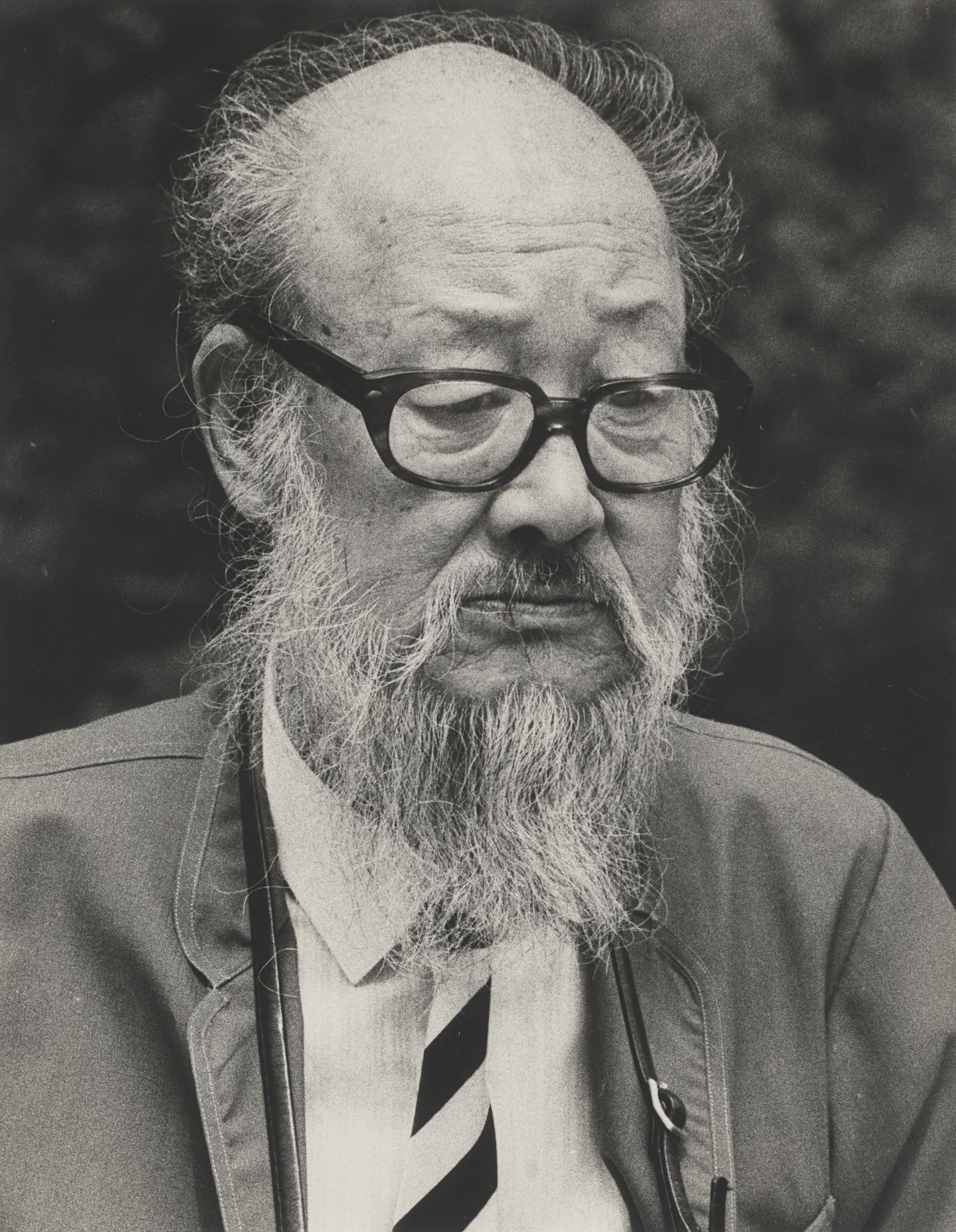
Limb Eungsik, Portrait of Hyun Ilyeong, 1970, Gelatin silver print on paper, 33.2×25.8cm. MMCA collection
Hyun Ilyeong


* Source: MMCA
Related
-
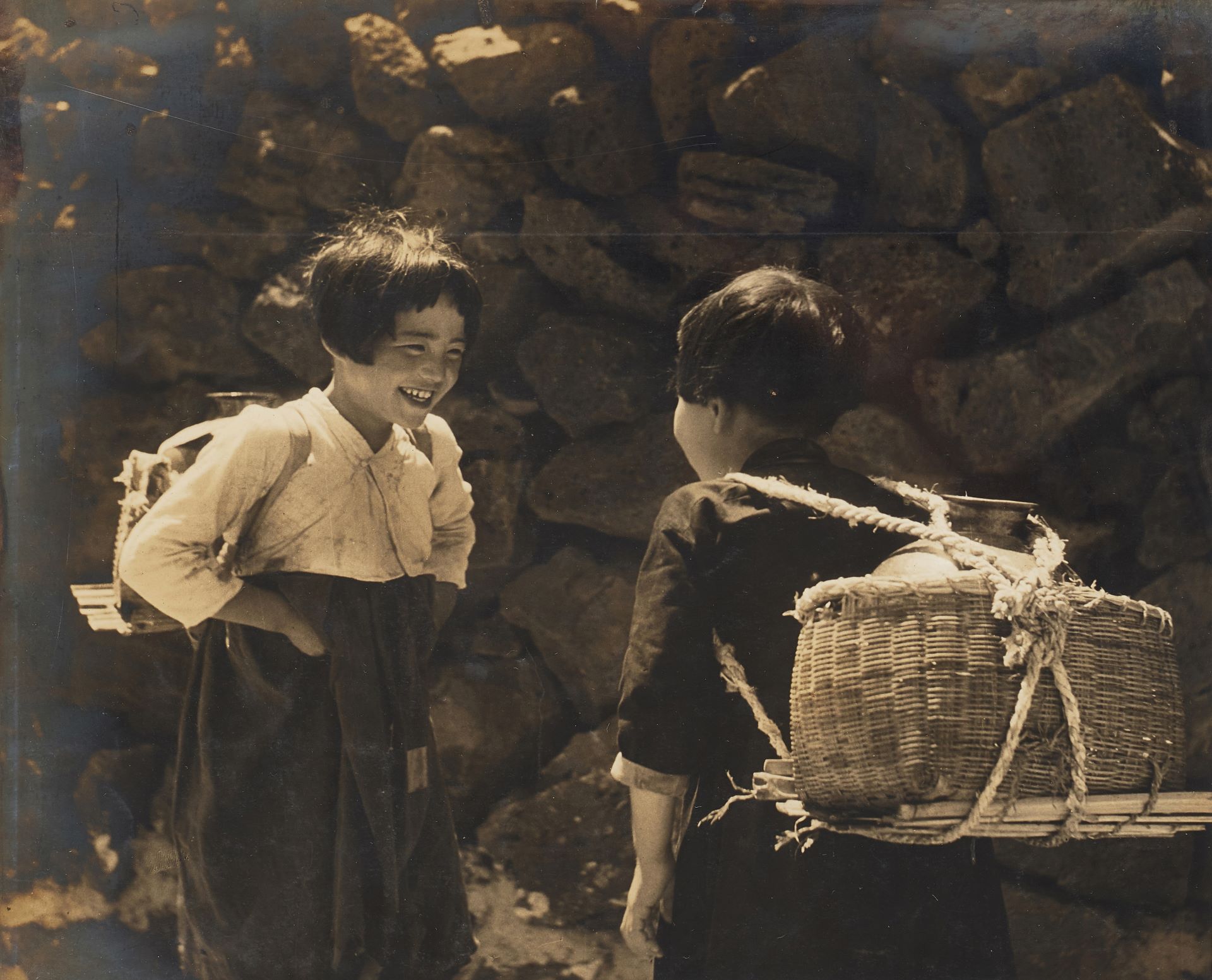
Choi Kyebok
Choi Kyebok (1909-2002) was a major figure in the history of modern and contemporary Korean photography who played an important role in the development of art photography in the modern era and in the production of photographs for promoting the country after Korea’s liberation from Japan. He was born at 102, Jongno 1-ga, Daegu, Gyeongsangbuk-do Province (currently 19, Dongmun-dong, Jung-gu, Daegu). He went to Kyoto in Japan around 1925, entered the Einō Camera Shop in Teramachi, Shimogyo-ku as an apprentice and learned photography. In 1933, he returned to Korea and opened his own store Choi Kyebok Camera Shop to sell photography equipment at Jongno 1-ga in Daegu. In the following year, he formed a photographers’ club named Daegu Amateur Sauhoe and led the local photography culture. In the 1930s and 1940s, Choi developed his own distinctive oeuvre by submitting his major works to the Joseon Photography Exhibition [Joseon sajin jeollamhoe], a photo contest hosted by Joseon Federation of Photography [Jeon joseon sajin yeonmaeng], and the Prize Competition for Photos of Enjoying the Cool Air, a photo contest organized by the Chosun Ilbo newspaper, and by winning prizes. Submitted works include Spring in Yeongseon Pond, Spring Wind, Sand Hill, Summer Suburbs, and Summer Hilltop. In 1942, he participated in the Joseon Mountaineering Club’s ascent of Baekdusan Mountain as a documentary photographer and photographed the scenery of Baekdusan Mountain and its lake. In and after 1945, he led the founding of photography organizations, such as Geonguk Photography Culture Federation [Geonguk sajin munhwa yeonmaeng], Daegu Photography Association [Daegu sayeonhoe], and Daegu Photographers Club [Daegu sauhoe]. In 1947, he was dispatched as a part-time reporter of Daegu Sibo newspaper to Ulleungdo and Dokdo Islands for the academic research mission organized by the Joseon Mountaineering Club and sponsored by the Ministry of Education. There, he took documentary photographs. When the Korean War broke out, he served as a military photographer in the press division of the Information and Education Bureau of the Ministry of National Defense. Choi Kyebok made efforts to educate students on photography by establishing the Korean Photographic Art Academy, the first photography institution in Daegu, in 1952. When the Korean Photographers Group was founded in 1957, he became its first president. He was commissioned by the government and public organizations to photograph national publicity materials and cultural heritage items. Choi’s oeuvre encompasses a wide variety of subjects ranging from modern art photography to mountain photography, academic research photography, and photographs of historical ruins and cultural heritage. It shows not only the formation and development of Korean photography circles, but also photography’s social role in the nation's formative period.
-
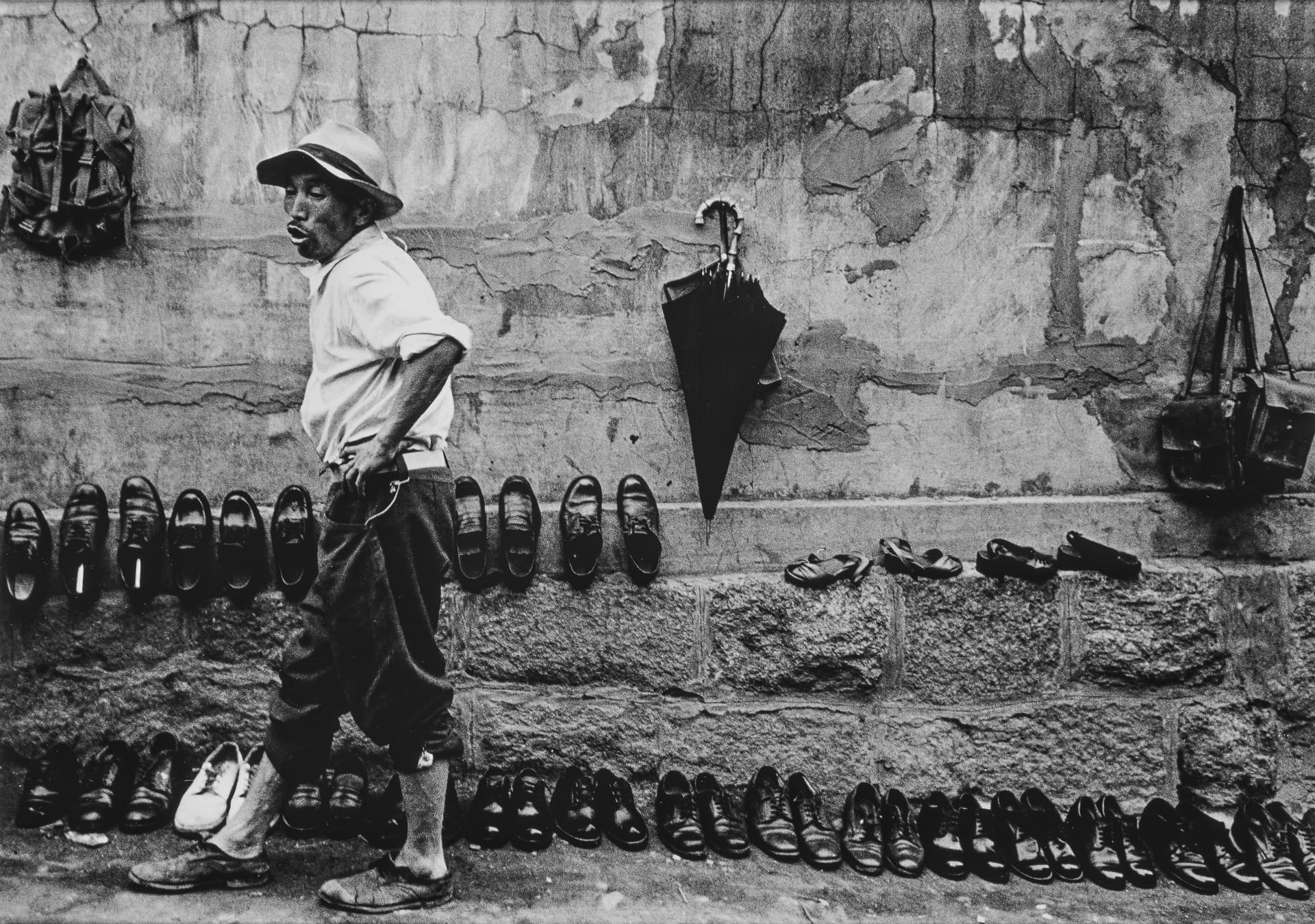
Lee Hyungrok
Lee Hyungrok(1917-2011) is a renowned artist in the history of modern and contemporary Korean photography. Born in Gangneung, Gangwon-do Province, Lee graduated from Gangneung Agricultural High School. After graduation, he learned photography at a photo studio (which also served as a shop selling hardware related to photography) in Gangneung run by his eldest brother Lee Sangrok. In the mid-1930s, he joined the Gangneung Sauhoe, a photography club, and began to fully engage in photography. The Gangneung Sauhoe is an amateur photographer group organized by Limb Eungsik, a photographer who moved from Busan to Gangneung at the time. In 1937, Lee along with Lim and ten other members of the Gangneung Sauhoe prepared about fifty photographs and held the inaugural exhibition of the Gangneung Sauhoe. From 1937 onward, he repeatedly won honorable mentions at the Joseon Photography Exhibition [Joseon sajin jeollamhoe], a contest hosted by the Joseon Federation of Photography [Jeon joseon sajin yeonmaeng], establishing himself as an amateur photographer. After Korea’s liberation from Japan and the Korean War, he departed from the trend of salon or painterly photography and advocated for realistic photography that highlighted snapshots, recordability, and a documentary approach. Particularly in the 1950s and 1960s, Lee captured fatigued lives of ordinary people in the city and its outskirts in warm black-and-white language by photographing shoemakers, fishermen, street vendors, and children on the streets. He contributed to the development of Korean photography culture by advancing realist photography and exploring new modes of expression for modern photography, while forming photography groups and training the younger generation after Korea’s liberation. In particular, he played a leading role in the founding and activities of photography organizations in the 1950s and 1960s, including Sinseonhoe (established in 1956), Salon Ars (established in 1959), and the Modern Photography Society [Hyeondae sajin yeonguhoe] (established in 1960).
-
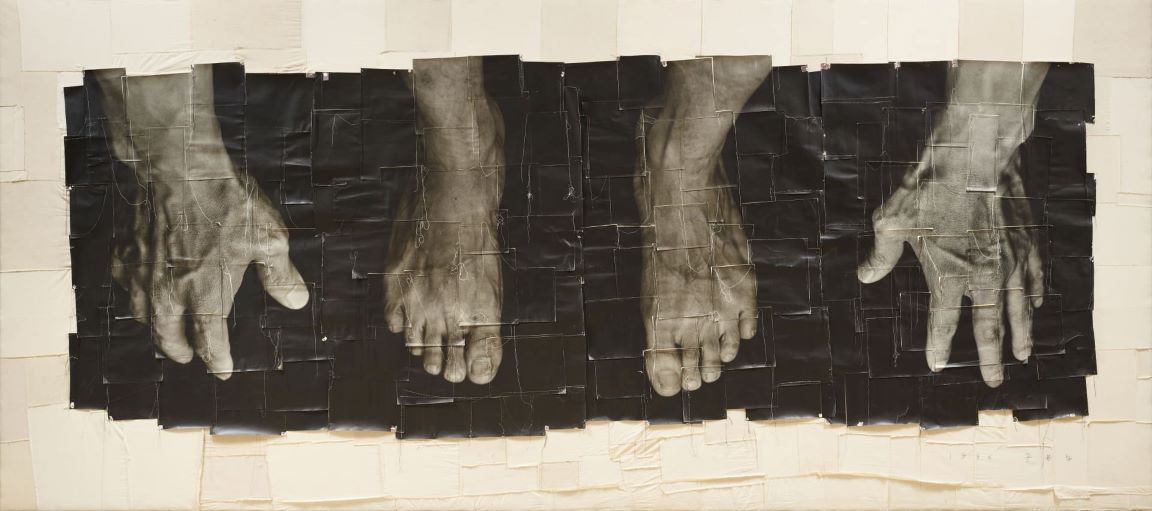
Contemporary photography
Contemporary photography differs from a modernist approach to photography that highlighted the technical qualities of the image. Robert Frank’s photograph collection The American published in 1959, is considered a turning point in indicating a new style based on idiosyncratically cropped images and unusual focus. Contemporary photography became prevalent when conceptual art emerged between the 1960s and the 1970s. The New Wave of the Photography exhibition, which opened at the Walker Hill Art Center in Seoul on May 18th, 1988, is considered as marking the starting point of Korean contemporary photography. The Horizon of Korean Photography exhibition at the Total Museum of Contemporary Art in Jangheung, Gyeonggi-do in November 1991 provided a further turning point. The founding of galleries specializing in photography, including the TS Gallery, Pine Hill Gallery, and Hanmadang Gallery, has also contributed greatly to the popularity of contemporary photography in Korea. Over the last 30 years, many foreign-educated photographers like Koo Bohnchang, Kim Daesoo, Lee Juyong, Lim Youngkyun, Han Okran, and Choi Kwangho have returned to Korea and released works reflecting new trends in the medium and further enhancing its national status as a contemporary art form.
Find More

Sign Up for Email Updates